German Pharmaceutical Manufacturing: Industry Leaders and Market Dynamics
The German pharmaceutical industry generated approximately 73 billion euros in revenue in 2023, maintaining its position as the largest market in Europe and the third largest globally. This substantial economic output underscores the sector's critical role in the national economy.
Understanding the structure of this industry is essential for international trade partners and procurement specialists. The sector combines high-volume generic production with specialized biotechnology innovation, creating a complex supply chain that demands rigorous compliance and strategic sourcing decisions.
Market Overview and Economic Scale
Germany serves as the primary hub for pharmaceutical manufacturing in the European Union. The industry supports over 150,000 direct jobs and contributes significantly to the country's export balance. Major production sites are concentrated in regions such as Bavaria, Baden-Württemberg, and North Rhine-Westphalia.
Revenue and Growth Trends
Recent years have shown steady growth driven by an aging population and increased demand for chronic disease treatments. The market has expanded beyond traditional small-molecule drugs to include biologics and cell therapies. This shift requires significant capital investment in modern manufacturing facilities.
Export performance remains strong, with Germany exporting pharmaceutical products to over 190 countries. The trade surplus in this sector highlights the global competitiveness of German manufacturers. However, rising production costs and energy prices present ongoing challenges for profitability.
Operating Model and Value Chain
The pharmaceutical value chain in Germany is highly integrated and specialized. It begins with the sourcing of active pharmaceutical ingredients (APIs) and excipients, often from international suppliers. These raw materials undergo rigorous testing before entering the manufacturing process.
Upstream Suppliers and Raw Materials
Many German manufacturers rely on a global network for API sourcing. China and India are significant suppliers of generic APIs, while Europe provides high-quality excipients and packaging materials. This dependency creates supply chain vulnerabilities that companies actively manage through diversification strategies.
Quality control at the supplier level is critical. Manufacturers must ensure that all incoming materials comply with European Pharmacopoeia standards. This requires extensive documentation and regular audits of supplier facilities.
Manufacturing and Distribution
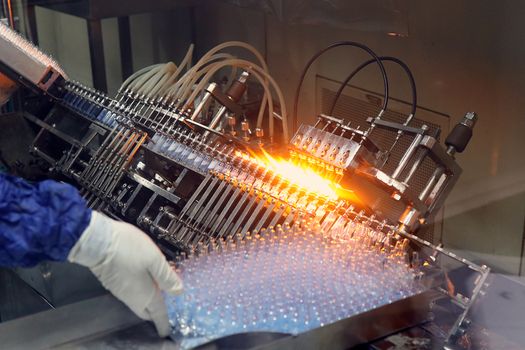
Production facilities in Germany are known for their advanced automation and strict adherence to Good Manufacturing Practices (GMP). The manufacturing process includes formulation, filling, packaging, and final quality release. Each step is documented to ensure traceability.
Distribution networks are highly efficient, leveraging Germany's central location in Europe. Wholesalers and distributors ensure that products reach pharmacies, hospitals, and clinics promptly. Cold chain logistics are particularly important for temperature-sensitive biologics.
Key Regulatory Requirements
Regulatory compliance is the cornerstone of pharmaceutical manufacturing in Germany. The Federal Institute for Drugs and Medical Devices (BfArM) oversees the approval and monitoring of medicinal products. Companies must navigate a complex web of national and European regulations.
Sector-Specific Rules
All pharmaceutical products must receive marketing authorization before sale. This process involves submitting detailed data on safety, efficacy, and quality. The European Medicines Agency (EMA) also plays a role in approving centrally authorized medicines for the EU market.
Manufacturers must maintain GMP certification. Regular inspections by regulatory authorities ensure ongoing compliance. Any deviations can result in severe penalties, including product recalls and suspension of licenses.
Cross-Cutting Regulations
Environmental regulations are increasingly stringent. Pharmaceutical companies must manage waste disposal and emissions carefully. The German Chemicals Act imposes strict controls on the handling of hazardous substances.
Data privacy laws, particularly the General Data Protection Regulation (GDPR), affect clinical trials and patient data management. Companies must implement robust cybersecurity measures to protect sensitive information.
Major Players and Market Structure
The German pharmaceutical market is characterized by a mix of large multinational corporations and specialized mid-sized companies. This structure fosters innovation while ensuring a stable supply of essential medicines.
Market Concentration
A few large players dominate the market in terms of revenue and research and development expenditure. These companies have extensive global footprints and diversified product portfolios. They invest heavily in new drug discovery and clinical trials.
However, the generic and biosimilar segments are highly competitive. Numerous smaller companies specialize in cost-effective alternatives to branded drugs. This competition helps keep healthcare costs manageable.
Key Companies and Regional Distribution
Major pharmaceutical companies have significant manufacturing and research sites in Germany. These include global giants with headquarters or major divisions in the country. Regional clusters, such as the BioM Valley in Bavaria, foster collaboration between industry and academia.
Smaller biotechnology firms are often located near research universities. This proximity facilitates talent acquisition and technology transfer. The ecosystem supports a vibrant startup culture in the life sciences sector.
Supply Chain Dynamics
Supply chain resilience is a top priority for German pharmaceutical manufacturers. Recent global disruptions have highlighted the risks of over-reliance on single sources for critical materials. Companies are actively working to diversify their supplier base.
Sourcing Patterns and Logistics
There is a growing trend towards nearshoring and reshoring of API production. This strategy aims to reduce lead times and mitigate geopolitical risks. European suppliers are increasingly favored for critical components.
Logistics networks are optimized for efficiency and compliance. Advanced tracking systems ensure that products are stored and transported under appropriate conditions. Real-time monitoring helps prevent spoilage and contamination.
Nearshoring Trends
Investments in local manufacturing capacity are increasing. Government incentives support the establishment of new production facilities in Germany. This trend aligns with broader efforts to strengthen European industrial sovereignty.
Collaboration between public and private sectors is crucial. Public funding supports research and development, while private investment drives commercialization. This partnership model accelerates the translation of scientific discoveries into marketable products.
Risks and Compliance Challenges
The pharmaceutical industry faces several risks that can impact operations and profitability. Regulatory changes, supply chain disruptions, and cybersecurity threats are among the most significant challenges.
Regulatory Risks
Changes in reimbursement policies can affect product pricing and market access. Companies must stay informed about legislative developments at both national and European levels. Proactive engagement with policymakers is essential.
Compliance with evolving environmental standards requires continuous investment. Failure to meet these standards can result in fines and reputational damage. Companies must integrate sustainability into their core business strategies.
Operational Risks
Supply chain interruptions can halt production and lead to shortages. Diversification of suppliers and inventory management are key mitigation strategies. Companies must have contingency plans for various scenarios.
Cybersecurity threats pose a significant risk to intellectual property and patient data. Robust IT infrastructure and employee training are necessary to prevent breaches. Regular security audits help identify and address vulnerabilities.
Why This Matters for Trade and Procurement
For international buyers, understanding the German pharmaceutical landscape is crucial for successful sourcing. The market offers high-quality products but requires careful navigation of regulatory and logistical complexities.
Procurement specialists should prioritize suppliers with strong compliance records and transparent supply chains. Building long-term relationships with German manufacturers can provide stability and access to innovative products.
Staying informed about regulatory changes and market trends is essential. Resources such as the Federal Institute for Drugs and Medical Devices (BfArM) and the Pharmaceutical Industry Association (PharmIndustrie) provide valuable information.
Additionally, understanding the European Medicines Agency (EMA) guidelines is important for products intended for the broader EU market. These resources help buyers make informed decisions and mitigate risks.
Future growth in the sector will likely be driven by digitalization and personalized medicine. Buyers who adapt to these trends will be better positioned to capitalize on emerging opportunities. Strategic partnerships with German manufacturers can provide a competitive advantage in the global market.