German Pharmaceutical Manufacturing: Industry Leaders and Regulatory Framework
Germany’s pharmaceutical industry generated approximately 100 billion euros in sales in recent years, maintaining its position as the largest market in Europe and a global hub for high-value drug production.
This sector is critical for international trade due to its strict adherence to quality standards and its role in supplying active pharmaceutical ingredients and finished dosage forms across the European Union and beyond. Understanding the landscape helps buyers navigate complex procurement requirements.
Market Overview and Economic Impact
The German pharmaceutical sector is characterized by high revenue density and significant export orientation. The industry consistently contributes a substantial portion to the national trade surplus, driven by the high value-added nature of its products. This economic weight ensures that the sector receives continuous political and regulatory attention.
Revenue and Growth Trends
Revenue streams in this sector are diversified, ranging from prescription medicines to over-the-counter products and veterinary pharmaceuticals. Growth trends are often influenced by patent expirations of blockbuster drugs and the introduction of innovative therapies. The market remains resilient despite global economic fluctuations due to the inelastic demand for essential medicines.
Employment figures reflect the high-tech nature of the industry, with a significant portion of the workforce engaged in research and development. The sector supports thousands of direct jobs in manufacturing and an even larger number in related services such as logistics and regulatory consulting. This employment structure underscores the industry's reliance on skilled labor and advanced education systems.
Operating Model and Value Chain
The value chain in German pharmaceutical manufacturing is highly integrated and specialized. It begins with the synthesis of active pharmaceutical ingredients, often sourced globally but processed locally to meet stringent purity standards. This is followed by formulation, packaging, and distribution, each stage governed by rigorous quality control protocols.
Upstream Suppliers and Manufacturers
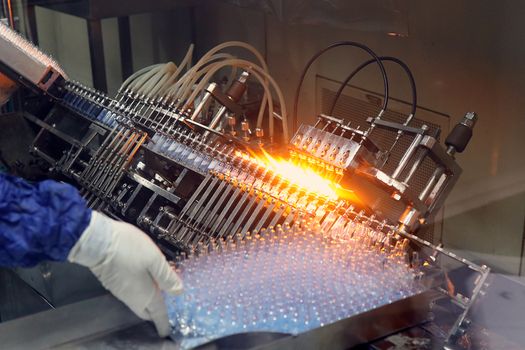
Upstream suppliers provide critical raw materials, including chemical precursors and excipients. Many of these suppliers are specialized firms that cater exclusively to the pharmaceutical sector, ensuring traceability and compliance with Good Manufacturing Practices. Manufacturers then transform these inputs into final products, leveraging automated production lines to maintain consistency and efficiency.
Downstream, distributors and wholesalers play a pivotal role in ensuring that medicines reach pharmacies and hospitals promptly. The distribution network in Germany is highly regulated, with strict requirements for temperature control and documentation during transport. This ensures that product integrity is maintained from the factory floor to the end user.
Key Regulatory Requirements
Regulatory compliance is the cornerstone of pharmaceutical manufacturing in Germany. The Federal Institute for Drugs and Medical Devices oversees the approval and monitoring of medicinal products. Companies must adhere to both national laws and European Union directives, which harmonize standards across member states.
Sector-Specific Rules and Cross-Cutting Regulations
Sector-specific rules include the requirement for a manufacturing authorization, which is granted only after a thorough inspection of facilities and processes. Cross-cutting regulations involve data protection laws, such as the General Data Protection Regulation, which impact clinical trials and patient data management. Additionally, environmental regulations dictate how waste and emissions from manufacturing processes are handled.
Quality management systems must be certified according to international standards, ensuring that every batch of product meets predefined specifications. Regular audits by regulatory authorities are conducted to verify ongoing compliance. Non-compliance can result in severe penalties, including fines and suspension of manufacturing licenses.
Major Players and Market Structure
The market structure is dominated by a few large multinational corporations alongside a vibrant ecosystem of small and medium-sized enterprises. These companies compete on innovation, quality, and cost-efficiency. The presence of both global giants and niche players creates a dynamic competitive environment.
Market Concentration and Key Companies
Market concentration is high, with a handful of companies accounting for a significant share of total sales. These key companies often have extensive research and development capabilities, allowing them to launch new products regularly. Their global reach enables them to leverage economies of scale in production and distribution.
Regional distribution of manufacturing sites is influenced by historical factors and infrastructure availability. Certain regions in Germany have developed specialized clusters for pharmaceutical production, attracting related businesses and talent. This clustering effect enhances collaboration and knowledge sharing among industry participants.
Data Sources for Verification
Verifying information about companies in this sector requires accessing reliable data sources. Official registers provide legal details about entities, while industry associations offer insights into market trends and best practices. Trade data can reveal import and export patterns, helping buyers understand supply chain dynamics.
Official Registers and Industry Associations
The German Commercial Register is a primary source for verifying the legal status of companies. It contains information about shareholders, management, and capital structure. Industry associations, such as the Pharmaceutical Industry Association, publish reports and statistics that provide a broader view of the sector's performance.
Trade data from customs authorities can be used to analyze the flow of goods between countries. This data helps identify key suppliers and customers, as well as potential risks in the supply chain. Combining these sources allows for a comprehensive assessment of a company's standing and reliability.
Risks and Compliance Challenges
Operating in the pharmaceutical sector involves navigating a complex web of risks. Regulatory changes can impact product approvals and market access. Operational risks include supply chain disruptions and quality failures. Market risks arise from competition and pricing pressures.
Regulatory and Operational Risks
Regulatory risks are particularly significant, as non-compliance can lead to product recalls and legal action. Companies must invest heavily in compliance infrastructure to mitigate these risks. Operational risks are managed through robust quality control systems and contingency planning for supply chain disruptions.
Market risks are addressed through diversification of product portfolios and geographic markets. Companies must also stay ahead of technological advancements to maintain their competitive edge. Failure to adapt to changing market conditions can result in loss of market share and financial instability.
Supply Chain Dynamics
Supply chain dynamics in the pharmaceutical sector are characterized by a focus on reliability and traceability. Sourcing patterns often involve long-term contracts with suppliers to ensure consistent quality and availability. Logistics are optimized to minimize lead times and reduce costs.
Sourcing Patterns and Nearshoring Trends
Sourcing patterns are increasingly influenced by geopolitical factors and trade policies. There is a growing trend towards nearshoring, where companies source materials from closer geographic locations to reduce supply chain vulnerabilities. This trend is driven by the desire for greater control over quality and delivery times.
Logistics in the pharmaceutical sector require specialized handling, particularly for temperature-sensitive products. Companies invest in advanced tracking systems to monitor the condition of goods during transport. This ensures that products arrive in optimal condition, meeting the high standards expected by regulators and customers.
Why This Matters for Trade and Procurement
For buyers and procurement professionals, understanding the German pharmaceutical manufacturing landscape is essential for successful sourcing. The sector's emphasis on quality and compliance means that suppliers must meet rigorous standards. This reduces the risk of receiving substandard products but may increase initial costs.
Building relationships with reputable manufacturers in Germany can provide access to high-quality products and innovative solutions. Buyers should prioritize suppliers with a strong track record of compliance and reliability. Due diligence is critical to ensure that suppliers can meet the specific requirements of the buyer's market.
Looking ahead, the industry is likely to continue evolving in response to technological advancements and regulatory changes. Buyers should stay informed about these developments to adapt their procurement strategies accordingly. Engaging with industry experts and leveraging data-driven insights can help navigate the complexities of this sector.
For further information on regulatory standards, visit the Federal Institute for Drugs and Medical Devices. To explore industry trends, refer to reports from the Pharmaceutical Industry Association. Understanding these resources is key to making informed procurement decisions in the German pharmaceutical market.