Medical Device Supply Chain: Verification and Compliance
The global medical device market is projected to reach $672 billion by 2030, driven by an aging population and increased healthcare spending. This rapid expansion intensifies the need for rigorous supply chain verification.
For procurement officers and trade analysts, verifying medical device suppliers is not merely a bureaucratic exercise but a critical risk management strategy. Non-compliance can lead to severe regulatory penalties, product recalls, and reputational damage. Understanding the complex web of regulations and supply chain dynamics is essential for maintaining market access and ensuring patient safety.
Market Overview and Growth Trends
The medical device industry is characterized by steady growth, fueled by technological advancements and increasing demand for minimally invasive procedures. Revenue streams are diversified across diagnostic, therapeutic, and monitoring devices. This diversity creates a complex supply landscape with varying compliance requirements for different product categories.
Revenue and Employment Dynamics
Revenue in the sector is heavily influenced by the adoption of digital health technologies and remote patient monitoring solutions. Employment trends show a shift towards specialized roles in regulatory affairs and quality assurance. Companies are investing in talent that can navigate the intricate regulatory environments of major markets like the US, EU, and Asia-Pacific.
Growth Trends and Innovation
Innovation in materials science and biocompatibility is driving the development of next-generation implants and prosthetics. Growth is also seen in the integration of artificial intelligence for diagnostic accuracy. These trends require suppliers to maintain high standards of research and development while ensuring that new materials meet stringent safety regulations.
Operating Model and Value Chain
The medical device value chain is multi-layered, involving raw material suppliers, component manufacturers, assemblers, and distributors. Each link in this chain must adhere to strict quality management systems. Traceability is paramount, as regulators require full visibility from raw material sourcing to the final point of sale.
Upstream Suppliers and Raw Materials
Upstream suppliers provide critical materials such as medical-grade plastics, metals, and electronic components. Verification of these suppliers is crucial because defects at this stage can compromise the entire device. Procurement teams must ensure that raw material suppliers comply with relevant standards, such as ISO 13485 for quality management.
Manufacturers and Assemblers
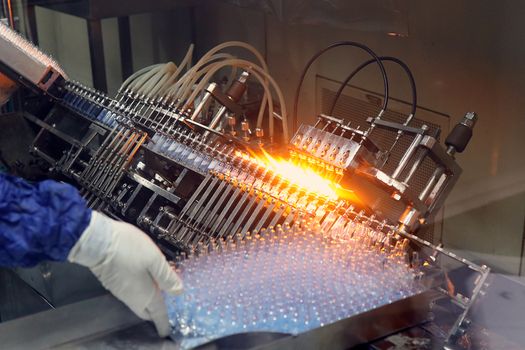
Manufacturers transform raw materials into finished devices through precise engineering and assembly processes. They are responsible for design controls, risk management, and clinical evaluation. Verification involves assessing their manufacturing facilities, quality control procedures, and ability to maintain consistent product performance. Regulatory bodies often conduct audits to ensure compliance with Good Manufacturing Practices (GMP).
Distributors and End Customers
Distributors play a vital role in the supply chain, ensuring that devices reach healthcare providers efficiently. They must maintain proper storage conditions and handle devices according to manufacturer specifications. End customers, including hospitals and clinics, rely on verified suppliers to ensure the safety and efficacy of the devices they use for patient care.
Key Regulatory Requirements
Regulatory frameworks for medical devices vary significantly across regions, creating a complex compliance landscape. In the United States, the Food and Drug Administration (FDA) oversees device classification and approval. In the European Union, the Medical Device Regulation (MDR) and In Vitro Diagnostic Regulation (IVDR) have introduced stricter requirements for market access.
Sector-Specific Rules
Sector-specific rules dictate the level of scrutiny based on device risk classification. Class I devices, which pose minimal risk, have simpler compliance pathways compared to Class III devices, which are life-sustaining or life-supporting. Manufacturers must navigate these classifications carefully to avoid delays in market entry. Non-compliance can result in product seizures and significant financial penalties.
Cross-Cutting Regulations
Cross-cutting regulations address issues such as cybersecurity, environmental impact, and supply chain transparency. The FDA’s guidance on cybersecurity for medical devices requires manufacturers to implement robust security measures throughout the device lifecycle. Additionally, environmental regulations may restrict the use of certain hazardous substances in device manufacturing.
Major Players and Market Structure
The medical device market is dominated by a few large multinational corporations, but it also includes numerous specialized small and medium-sized enterprises (SMEs). Market concentration varies by segment, with high concentration in imaging and diagnostics and lower concentration in niche therapeutic areas.
Market Concentration and Key Companies
Key players such as Medtronic, Johnson & Johnson, and Siemens Healthineers hold significant market share due to their extensive product portfolios and global distribution networks. These companies invest heavily in research and development to maintain their competitive edge. However, SMEs often drive innovation in specific niches, offering specialized solutions that larger companies may overlook.
Regional Distribution
Regional distribution patterns reflect differences in healthcare infrastructure and regulatory environments. North America and Europe are mature markets with high adoption rates of advanced devices. Emerging markets in Asia-Pacific and Latin America are experiencing rapid growth, driven by increasing healthcare access and government initiatives. Suppliers must adapt their strategies to meet the unique demands of each region.
Data Sources for Verification
Verifying medical device suppliers requires access to reliable data sources. Official registers, industry associations, and trade data provide valuable insights into supplier compliance and market performance. Procurement teams should leverage these resources to conduct thorough due diligence.
Official Registers and Databases
Official registers, such as the FDA’s Device Master File database and the European Database on Medical Devices (EUDAMED), provide information on approved devices and manufacturers. These databases allow users to verify the regulatory status of specific products and companies. Access to these resources is essential for ensuring that suppliers meet regulatory requirements.
Industry Associations and Trade Data
Industry associations, such as the AdvaMed and the European Medical Devices Industry Association (MedTech Europe), offer guidelines and best practices for supply chain management. Trade data from customs authorities can reveal import and export patterns, helping to identify potential risks in the supply chain. Combining these sources provides a comprehensive view of supplier reliability.
Risks and Compliance Challenges
The medical device supply chain faces numerous risks, including regulatory changes, operational disruptions, and market volatility. Compliance challenges arise from the complexity of global regulations and the need for continuous monitoring. Suppliers must be proactive in identifying and mitigating these risks.
Regulatory Risks
Regulatory risks include changes in classification rules, new safety requirements, and increased scrutiny from regulatory bodies. The implementation of the EU MDR has led to significant delays in market access for many devices. Suppliers must stay informed about regulatory developments and adapt their compliance strategies accordingly.
Operational Risks
Operational risks involve supply chain disruptions, quality failures, and cybersecurity threats. Natural disasters, geopolitical tensions, and pandemics can disrupt the flow of raw materials and components. Quality failures can lead to product recalls and loss of consumer trust. Cybersecurity threats pose a growing risk, as connected medical devices become more prevalent.
Market Risks
Market risks include price fluctuations, competition, and changing customer preferences. Intense competition can pressure suppliers to reduce costs, potentially compromising quality. Changing customer preferences, such as the demand for personalized medicine, require suppliers to be agile and innovative. Monitoring market trends is essential for maintaining competitiveness.
Supply Chain Dynamics
Supply chain dynamics in the medical device industry are evolving due to globalization, technological advancements, and changing regulatory landscapes. Sourcing patterns are shifting towards nearshoring and regionalization to reduce risks associated with long-distance logistics. Logistics efficiency is critical for ensuring timely delivery of devices to healthcare providers.
Sourcing Patterns and Nearshoring
Nearshoring trends are gaining momentum as companies seek to reduce lead times and mitigate geopolitical risks. Sourcing from nearby countries can enhance supply chain resilience and responsiveness. However, this shift requires careful evaluation of local supplier capabilities and regulatory compliance. Companies must balance cost considerations with the need for reliability and quality.
Logistics and Distribution
Logistics in the medical device industry require specialized handling and storage conditions. Temperature-sensitive devices, such as vaccines and biologics, need cold chain logistics to maintain efficacy. Efficient distribution networks are essential for ensuring that devices reach end customers in optimal condition. Digital tools, such as blockchain, are being explored to enhance traceability and transparency in logistics.
Limitations of Available Data
Despite the availability of various data sources, limitations exist in the completeness and accuracy of information. Official registers may not be updated in real-time, leading to delays in identifying compliance issues. Trade data may lack granularity, making it difficult to assess specific supplier performance. Procurement teams must be aware of these limitations and supplement official data with additional due diligence efforts.
Why This Matters for Trade and Procurement
For trade and procurement professionals, understanding the medical device supply chain is crucial for mitigating risks and ensuring compliance. Verification of suppliers is not a one-time task but an ongoing process that requires continuous monitoring and adaptation. By leveraging data sources and staying informed about regulatory changes, procurement teams can build resilient and compliant supply chains.
Buyers should prioritize suppliers with robust quality management systems and a track record of regulatory compliance. Engaging with industry associations and participating in regulatory forums can provide valuable insights into emerging trends and best practices. Ultimately, a well-verified supply chain enhances patient safety, protects brand reputation, and supports long-term business success.
As the medical device industry continues to evolve, procurement strategies must adapt to new challenges and opportunities. Investing in supply chain verification and compliance is not just a regulatory requirement but a strategic imperative for sustainable growth. Buyers who proactively manage these risks will be better positioned to navigate the complexities of the global medical device market.