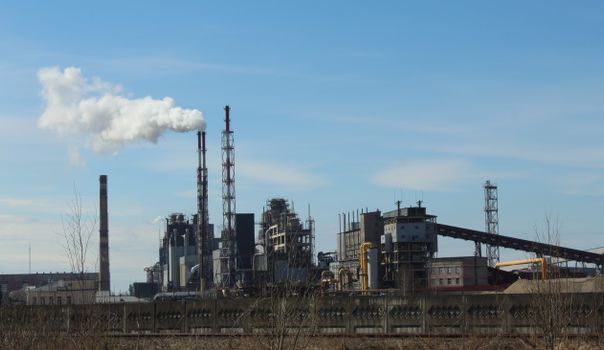
Romanian Chemical Industry: Companies and Certifications
The Romanian chemical sector generated approximately 12 billion euros in revenue in recent years, positioning the country as a significant manufacturing hub within the European Union’s broader industrial landscape.
This analysis examines the structural composition of Romania’s chemical industry, focusing on regulatory compliance frameworks and market dynamics. Understanding these elements is critical for international buyers seeking reliable suppliers, as the sector operates under strict European Union directives regarding safety, environmental protection, and product quality.
Market Overview and Size
Romania’s chemical industry represents a substantial portion of the national manufacturing output. The sector is characterized by a mix of large multinational corporations and smaller specialized enterprises. These entities produce a wide range of goods, from basic industrial chemicals to specialized pharmaceutical intermediates and consumer products.
Revenue and Growth Trends
Recent economic data indicates steady growth in the chemical sector, driven by increased domestic demand and export opportunities. The industry benefits from Romania’s strategic location within the EU, facilitating access to major European markets. Revenue streams are diversified, with significant contributions from petrochemicals, fertilizers, and specialty chemicals.
According to national statistical reports, the chemical industry consistently ranks among the top manufacturing sectors in terms of value added. This performance is supported by ongoing investments in modernization and technology adoption. However, growth rates can fluctuate based on global commodity prices and energy costs.
Employment and Workforce
The sector employs tens of thousands of workers across various roles, from production operators to research and development specialists. Skilled labor is a key asset, with many companies investing in training programs to maintain high safety and quality standards. The workforce distribution reflects the industry’s diverse product portfolio, requiring expertise in chemistry, engineering, and logistics.
Operating Model and Value Chain
The Romanian chemical value chain is integrated, linking raw material suppliers with manufacturers and distributors. This structure ensures efficient production processes and timely delivery to end customers. Understanding this chain is essential for assessing supplier reliability and supply chain resilience.
Upstream Suppliers and Raw Materials
Raw materials for the chemical industry in Romania include natural gas, crude oil derivatives, and agricultural products. Many companies source these inputs from domestic producers or import them from neighboring countries. The availability and cost of raw materials significantly impact production costs and pricing strategies.
Upstream suppliers must comply with environmental regulations regarding extraction and processing. This includes managing emissions and waste disposal. Companies often establish long-term contracts with suppliers to secure stable access to critical inputs.
Manufacturers and Distributors
Manufacturers transform raw materials into finished chemical products through various processes, including synthesis, refining, and formulation. These facilities are typically located in industrial zones with access to transportation infrastructure. Distributors then transport these products to end customers, including other manufacturers, retailers, and service providers.
Distribution networks are well-developed, with companies utilizing road, rail, and river transport. Logistics efficiency is crucial for maintaining competitive pricing and meeting delivery schedules. Many manufacturers also engage in direct sales to large industrial clients.
Key Regulatory Requirements
Compliance with European Union regulations is mandatory for all chemical companies operating in Romania. These regulations cover product safety, environmental protection, and workplace health. Failure to comply can result in significant fines, operational restrictions, or legal action.
Sector-Specific Rules
The REACH Regulation (Registration, Evaluation, Authorisation and Restriction of Chemicals) is a cornerstone of chemical regulation in the EU. It requires companies to register their substances and provide safety data. Romanian companies must adhere to these requirements to market their products within the EU.
Additionally, the CLP Regulation (Classification, Labelling and Packaging) mandates standardized labeling and packaging for chemical substances. This ensures that users are informed about potential hazards and safe handling procedures. Companies must update their labels and safety data sheets regularly to reflect new information.
Cross-Cutting Regulations
Beyond chemical-specific rules, companies must comply with general environmental and safety regulations. This includes permits for emissions, waste management, and water usage. The Romanian Environmental Protection Agency oversees these aspects, conducting inspections and enforcing compliance.
Workplace safety regulations, aligned with EU directives, require companies to implement risk assessments and safety protocols. This protects employees from hazards associated with chemical handling and processing. Regular audits and training programs are essential for maintaining compliance.
Major Players and Market Structure
The Romanian chemical market is characterized by a mix of large multinational corporations and smaller domestic firms. This structure creates a competitive environment with varying levels of market power. Understanding the market concentration helps buyers assess supplier options and negotiate terms.
Market Concentration and Key Companies
Several large multinational companies dominate specific segments of the chemical industry in Romania. These firms benefit from economies of scale, advanced technology, and global supply chains. They often invest heavily in research and development to maintain their competitive edge.
Smaller domestic companies focus on niche markets, producing specialized chemicals or serving local customers. These firms may offer greater flexibility and personalized service. The presence of both large and small players ensures a diverse supply base for buyers.
Regional Distribution
Chemical production facilities are distributed across Romania, with clusters in regions with access to raw materials and transportation infrastructure. Major industrial zones are located near ports, railways, and highways. This distribution supports efficient logistics and reduces transportation costs.
Regional variations in labor costs and regulatory enforcement can also influence production decisions. Companies may choose locations based on these factors to optimize their operations. Buyers should consider the geographic location of suppliers when assessing supply chain risks.
Data Sources for Verification
Verifying the credentials and compliance status of chemical companies is crucial for risk management. Several official sources provide reliable data on company registrations, certifications, and regulatory compliance. Buyers should utilize these resources to conduct due diligence.
Official Registers and Industry Associations
The National Trade Register Office maintains a public database of all registered companies in Romania. This register provides information on company ownership, legal status, and financial data. Buyers can use this resource to verify the legitimacy of potential suppliers.
Industry associations, such as the Romanian Chemical Industry Association, provide insights into market trends and regulatory developments. These organizations often publish reports and guidelines that can help buyers understand the sector. Membership in these associations can also indicate a company’s commitment to industry standards.
Trade Data and Customs Records
Customs data provides information on import and export activities of chemical companies. This data can reveal trading partners, product volumes, and pricing trends. Buyers can use this information to assess a supplier’s market presence and reliability.
Official statistics from the National Institute of Statistics offer broader insights into the chemical industry’s performance. These data include production volumes, employment figures, and revenue trends. Analyzing these statistics helps buyers understand the macroeconomic context of the sector.
Risks and Compliance Challenges
The chemical industry faces various risks, including regulatory changes, operational disruptions, and market volatility. Managing these risks is essential for maintaining business continuity and protecting stakeholders. Buyers should be aware of these challenges when selecting suppliers.
Regulatory Risks
Changes in EU regulations can impose new compliance requirements on chemical companies. This may involve additional costs for testing, documentation, or process modifications. Companies that fail to adapt quickly may face penalties or loss of market access.
Enforcement of existing regulations can also vary, creating uncertainty for companies. Regular audits and inspections by regulatory authorities can identify compliance gaps. Buyers should prioritize suppliers with strong compliance records and proactive risk management strategies.
Operational and Market Risks
Operational risks include accidents, equipment failures, and supply chain disruptions. These events can lead to production delays, safety incidents, and financial losses. Companies must implement robust safety protocols and contingency plans to mitigate these risks.
Market risks arise from fluctuations in raw material prices, demand shifts, and competitive pressures. These factors can impact profitability and pricing stability. Buyers should diversify their supplier base to reduce exposure to market volatility.
Why This Matters for Trade and Procurement
For international buyers, understanding the Romanian chemical industry’s structure and regulatory environment is vital. It enables informed decision-making and effective risk management. Buyers should prioritize suppliers with transparent operations and strong compliance records.
Engaging with reputable suppliers who adhere to EU standards ensures product quality and safety. This reduces the likelihood of regulatory issues and reputational damage. Buyers should also consider the supplier’s financial stability and operational resilience.
By leveraging official data sources and industry insights, buyers can identify reliable partners and negotiate favorable terms. This approach supports sustainable procurement practices and long-term business success. Continuous monitoring of regulatory changes and market trends is essential for maintaining compliance and competitiveness.
For further information on regulatory compliance, consult the European Chemicals Agency website. To verify company registrations, use the National Trade Register Office portal. Additional insights on Romanian industrial sectors can be found through National Institute of Statistics reports. Buyers should also explore Romania Insider for broader economic context.