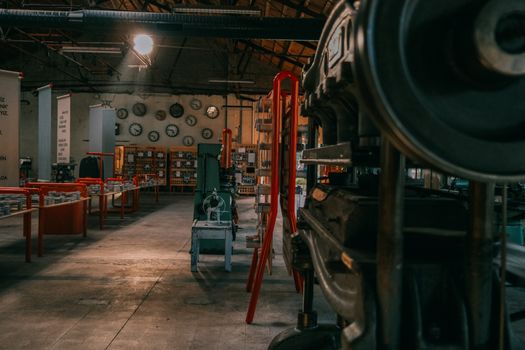
Romanian Manufacturing Industry: Sectors and Companies
Romania’s manufacturing sector contributed approximately 15% to the national GDP in recent years, driven by robust foreign direct investment in automotive and electronics assembly.
Understanding the structural composition of this industrial base is critical for international buyers seeking reliable suppliers. The sector’s integration into European supply chains offers cost advantages, yet requires rigorous due diligence to navigate regulatory complexities and verify supplier capabilities.
Market Overview and Size
The Romanian manufacturing landscape is characterized by a strong export orientation, with goods exports consistently exceeding imports in key industrial categories. This trade surplus is largely supported by the country’s strategic location within the European Union and its membership in the Schengen Area, which facilitates seamless logistics.
Revenue and Growth Trends
Revenue in the manufacturing sector has shown resilience despite global economic fluctuations. The automotive industry alone accounts for a significant portion of industrial output, with production lines expanding to meet European demand. Electronics and machinery manufacturing also contribute substantially to overall revenue figures.
Growth trends indicate a shift towards higher value-added production. Companies are increasingly investing in automation and digitalization to improve efficiency. This transition supports long-term sustainability and competitiveness in the global market.
Employment Dynamics
Manufacturing remains a major employer in Romania, providing jobs across various skill levels. The sector attracts both local talent and specialized workers from neighboring countries. Vocational training programs have been expanded to address skill gaps in advanced manufacturing technologies.
Employment stability in this sector is linked to the health of major multinational corporations operating in the country. These firms often serve as anchor tenants, supporting a network of local suppliers and service providers.
Operating Model and Value Chain
The value chain in Romanian manufacturing is deeply integrated with European networks. Most large-scale production facilities operate as part of broader multinational supply chains, focusing on assembly and final processing stages.
Upstream Suppliers and Raw Materials
Upstream suppliers provide raw materials and components, often sourced from within the EU to minimize logistics costs and regulatory hurdles. Steel, aluminum, and plastic resins are commonly imported or sourced regionally. Local suppliers of specialized components are growing in number, reducing dependency on distant sources.
Quality control at the supplier level is stringent, adhering to international standards such as ISO 9001. Buyers must verify that upstream partners meet these requirements to ensure consistency in final products.
Manufacturers and Distributors
Manufacturers in Romania range from small specialized workshops to large multinational plants. The latter dominate high-volume sectors like automotive and electronics. Distributors play a crucial role in connecting these manufacturers with end customers, both domestically and internationally.
Logistics infrastructure, including highways and rail networks, supports efficient distribution. Proximity to major European markets allows for just-in-time delivery models, which are essential for many industrial clients.
Key Regulatory Requirements
Compliance with EU regulations is mandatory for all manufacturing activities in Romania. This includes environmental standards, labor laws, and product safety directives. Non-compliance can result in significant fines and operational disruptions.
Sector-Specific Rules
The automotive sector is subject to strict emissions and safety standards. Manufacturers must obtain type approval for vehicles and components. Electronics producers must adhere to RoHS and WEEE directives, which restrict hazardous substances and manage waste disposal.
Food and pharmaceutical manufacturing require additional certifications, such as HACCP and GMP. These standards ensure product safety and quality throughout the production process.
Cross-Cutting Regulations
Environmental regulations impose limits on industrial emissions and waste management. Companies must obtain permits for operations that impact air, water, or soil. Energy efficiency standards are also enforced, encouraging the adoption of sustainable practices.
Labor laws protect workers’ rights and mandate safe working conditions. Employers must comply with minimum wage requirements and provide social security contributions. Regular inspections by labor authorities ensure adherence to these rules.
Major Players and Market Structure
The market structure is oligopolistic in key sectors, with a few large multinational corporations dominating production. These companies benefit from economies of scale and established supply chain relationships.
Market Concentration
High market concentration is evident in the automotive and electronics industries. A small number of firms account for a large share of total output. This concentration can limit competition but also ensures stability for buyers seeking large-volume suppliers.
Smaller and medium-sized enterprises (SMEs) play a vital role as subcontractors and suppliers to these large firms. They often specialize in niche components or services, adding flexibility to the supply chain.
Regional Distribution
Manufacturing activity is concentrated in specific regions, particularly in the west and south of the country. Cluj-Napoca, Timișoara, and Bucharest are major industrial hubs. These cities offer skilled labor, infrastructure, and proximity to international borders.
Regional development policies aim to decentralize industrial activity. Incentives are provided to companies that invest in less developed areas, promoting balanced economic growth.
Data Sources for Verification
Verifying supplier information is essential for risk mitigation. Official registers and industry associations provide reliable data on company status, financial health, and compliance records.
Official Registers
The National Trade Register Office (ONRC) maintains public records of all registered companies in Romania. Buyers can access information on legal status, shareholders, and management. This data is crucial for confirming the legitimacy of potential suppliers.
Tax authorities also publish information on companies’ tax compliance status. Checking for outstanding tax liabilities can reveal financial risks associated with a supplier.
Industry Associations and Trade Data
Industry associations, such as the Romanian Automotive Industry Association (AROM), provide insights into sector trends and member companies. These organizations often publish reports on production volumes and export statistics.
Customs data offers detailed information on import and export activities. Analyzing this data can help identify key players and verify a company’s trading history. National Institute of Statistics provides comprehensive economic data, including industrial production indices.
Risks and Compliance Challenges
While Romania offers attractive manufacturing capabilities, buyers must be aware of potential risks. Regulatory changes, supply chain disruptions, and quality inconsistencies can impact operations.
Regulatory Risks
Changes in EU regulations can impose new compliance burdens on manufacturers. For example, updates to environmental standards may require significant capital investment. Buyers should monitor regulatory developments to anticipate potential impacts on supply costs and timelines.
Local enforcement of regulations can vary. Ensuring that suppliers have robust internal compliance programs is essential to mitigate this risk.
Operational Risks
Supply chain disruptions, such as raw material shortages or logistics delays, can affect production schedules. Diversifying suppliers and maintaining safety stock can help mitigate these risks.
Quality control is another operational challenge. Regular audits and inspections can ensure that products meet specified standards. Building strong relationships with suppliers fosters transparency and accountability.
Supply Chain Dynamics
Nearshoring trends are influencing supply chain dynamics in Romania. Companies are relocating production closer to end markets to reduce lead times and enhance responsiveness.
Sourcing Patterns
Sourcing patterns are shifting towards regional suppliers. This reduces dependency on long-distance logistics and minimizes exposure to global disruptions. Local sourcing also supports sustainability goals by lowering carbon footprints.
Buyers should evaluate suppliers’ sourcing strategies to ensure alignment with their own supply chain objectives. Transparency in sourcing practices is increasingly important for corporate social responsibility.
Logistics and Infrastructure
Logistics infrastructure in Romania continues to improve. Investments in highways and rail networks enhance connectivity with major European markets. Efficient logistics are critical for maintaining just-in-time delivery schedules.
Customs procedures are streamlined for EU trade, facilitating smooth cross-border movements. However, non-EU trade may involve additional documentation and delays. Buyers should plan for these variations in lead times.
Why This Matters for Trade and Procurement
For international buyers, understanding the Romanian manufacturing sector is key to leveraging its advantages. The combination of skilled labor, strategic location, and EU integration makes it an attractive sourcing destination.
Procurement strategies should focus on building long-term partnerships with verified suppliers. Due diligence, including regulatory compliance checks and financial assessments, is essential. Engaging with local industry associations can provide valuable insights and networking opportunities.
As supply chains evolve, Romania’s role as a manufacturing hub is likely to grow. Buyers who adapt to these changes and establish robust supplier relationships will gain a competitive edge. U.S. Commercial Service offers additional resources for navigating the Romanian market.
Future opportunities lie in emerging sectors such as renewable energy components and advanced electronics. Monitoring these trends can help buyers identify new sourcing possibilities. Proactive engagement with the Romanian manufacturing ecosystem will drive successful trade outcomes.