Romanian Pharmaceutical Exports: Growth Trends and Opportunities
Romania’s pharmaceutical export value reached approximately 1.8 billion euros in 2022, driven by a surge in generic drug production and active pharmaceutical ingredient manufacturing.
This sector represents a critical component of the national industrial strategy, offering high-margin opportunities for international buyers seeking reliable, EU-compliant suppliers. Understanding the structural shifts in this market is essential for procurement strategies focused on cost-efficiency and regulatory safety.
Market Overview and Export Performance
The Romanian pharmaceutical industry has transitioned from a domestic-focused model to a significant export-oriented hub within the European Union. This shift is largely attributed to the country’s strategic location and its integration into broader European supply chains. The sector contributes substantially to the national GDP, reflecting its importance in the industrial landscape.
Revenue and Growth Trends
Export revenues have shown consistent upward trajectories over the past decade, with generic medicines accounting for the largest share of outbound goods. The growth is not merely volume-based but also value-driven, as manufacturers invest in higher-complexity formulations. According to data from the National Institute of Statistics, the sector’s export performance often outpaces the national industrial average.
Investment in modernization has allowed Romanian firms to meet stringent EU quality standards, thereby unlocking access to premium markets in Western Europe. This trend suggests that future growth will depend on maintaining compliance and expanding product portfolios beyond basic generics.
Operating Model and Value Chain
The value chain in Romania is characterized by a strong presence of multinational corporations alongside a growing number of local specialized manufacturers. This hybrid structure ensures a balance between global best practices and local operational agility. The supply chain is deeply integrated with European logistics networks, facilitating efficient distribution.
Upstream Suppliers and Raw Materials
Active pharmaceutical ingredients (APIs) are often sourced from global suppliers, particularly from Asia, though there is a growing trend toward diversifying sources to mitigate supply risks. Local chemical suppliers provide excipients and packaging materials, reducing dependency on long-distance logistics for non-critical components. This localization of secondary materials helps stabilize production costs.
Manufacturing and Distribution
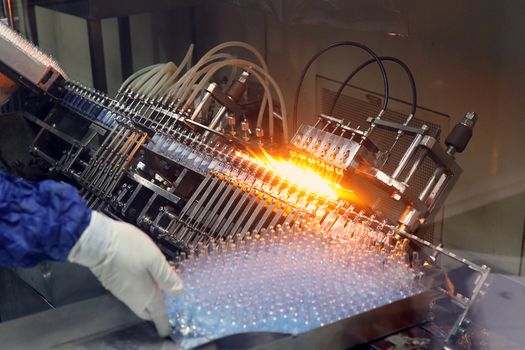
Manufacturing facilities in Romania are increasingly adopting automated production lines to enhance efficiency and reduce error rates. These facilities are certified by the European Medicines Agency and national authorities, ensuring that products meet rigorous quality benchmarks. Distribution networks are optimized for both domestic consumption and cross-border exports, leveraging Romania’s position as a logistics hub in Southeast Europe.
Key Regulatory Requirements
Compliance with European Union regulations is the cornerstone of the Romanian pharmaceutical export model. The National Institute of Public Health oversees the authorization and monitoring of medicinal products, ensuring alignment with EU directives. Manufacturers must adhere to Good Manufacturing Practices (GMP) to maintain their export licenses.
Sector-Specific Rules and Certifications
Obtaining marketing authorization for new drugs involves a rigorous evaluation process by the National Agency for Medicines and Medical Devices. This process includes clinical data review and quality control assessments. For exports, companies must also comply with the regulatory requirements of destination countries, which may involve additional documentation and certifications.
Cross-border trade within the EU is facilitated by mutual recognition agreements, but exports to non-EU markets require careful navigation of diverse regulatory landscapes. This complexity necessitates robust regulatory affairs teams within exporting firms.
Major Players and Market Structure
The market structure is dominated by a few large multinational corporations that have established significant production bases in Romania. These companies benefit from economies of scale and extensive global distribution networks. However, a vibrant ecosystem of small and medium-sized enterprises (SMEs) also contributes to the sector’s diversity and innovation.
Market Concentration and Key Companies
Large players often focus on high-volume generic drugs and biosimilars, leveraging their existing infrastructure to serve global markets. These companies invest heavily in research and development to extend their product lifecycles and enter new therapeutic areas. Their presence in Romania is driven by the country’s competitive labor costs and skilled workforce.
SMEs, on the other hand, often specialize in niche markets, such as orphan drugs or specialized formulations. These companies play a crucial role in fostering innovation and addressing unmet medical needs. Their agility allows them to respond quickly to market changes and regulatory updates.
Supply Chain Dynamics and Logistics
Logistics efficiency is a key competitive advantage for Romanian pharmaceutical exporters. The country’s strategic location provides access to major European markets via road, rail, and air transport. This connectivity reduces lead times and enhances supply chain resilience.
Sourcing Patterns and Nearshoring Trends
There is a noticeable trend toward nearshoring, with companies relocating production closer to end markets to reduce dependency on distant suppliers. Romania benefits from this trend due to its proximity to Western Europe and its stable political environment. This shift is particularly evident in the production of time-sensitive products, such as vaccines and biologics.
Supply chain visibility is enhanced through digital tools that track products from raw material sourcing to final delivery. This transparency is critical for maintaining compliance and ensuring product integrity. Companies are also investing in cold chain infrastructure to support the growing demand for temperature-sensitive medications.
Risks and Compliance Challenges
Despite its strengths, the sector faces several risks, including regulatory changes, supply chain disruptions, and competitive pressures. Navigating these challenges requires proactive risk management and continuous adaptation to market conditions.
Regulatory and Operational Risks
Changes in EU regulations can impact production costs and time-to-market for new products. Companies must stay abreast of regulatory developments and adjust their operations accordingly. Operational risks, such as equipment failures or labor shortages, can also disrupt production and affect export commitments.
Market risks include price pressures from generic competition and shifting demand patterns. Companies must diversify their product portfolios and target markets to mitigate these risks. Additionally, geopolitical tensions can affect supply chains, necessitating contingency planning and alternative sourcing strategies.
Data Sources for Verification
Accurate data is essential for understanding the Romanian pharmaceutical export landscape. Official sources provide reliable information on market size, growth trends, and regulatory requirements. Industry associations also offer valuable insights and networking opportunities.
Official Registers and Trade Data
The National Institute of Statistics publishes detailed data on pharmaceutical exports, including volume, value, and destination countries. This data is crucial for tracking market performance and identifying growth opportunities. The National Agency for Medicines and Medical Devices maintains registers of authorized products and manufacturers, providing transparency on regulatory compliance.
Industry associations, such as the Romanian Pharmaceutical Industry Association, offer reports and analysis on sector trends and challenges. These organizations also advocate for favorable regulatory environments and support member companies in navigating complex markets. Engaging with these sources can provide a comprehensive view of the industry.
Why This Matters for Trade and Procurement
For international buyers, Romania offers a compelling proposition in the pharmaceutical sector. The combination of EU compliance, cost competitiveness, and logistical efficiency makes it an attractive sourcing destination. Buyers should focus on partners with strong regulatory track records and robust quality management systems.
Procurement strategies should prioritize long-term partnerships with manufacturers that demonstrate commitment to innovation and sustainability. Diversifying suppliers within the region can also enhance supply chain resilience. By leveraging Romania’s strengths, buyers can secure reliable access to high-quality pharmaceutical products while optimizing costs.
Future opportunities lie in emerging therapeutic areas and digital health solutions. Companies that invest in these areas will be well-positioned to capture growing market demand. Buyers should monitor these trends and engage with forward-thinking suppliers to stay ahead of the curve.
For further insights on European manufacturing hubs, explore Eurostat’s industrial data and European Medicines Agency guidelines. Understanding the regulatory landscape is key to successful procurement.