Romanian Pharmaceutical Sector: Key Players and Certifications
The Romanian pharmaceutical market generated approximately 2.5 billion euros in revenue in 2023, driven by a robust domestic manufacturing base and increasing export volumes to neighboring EU states.
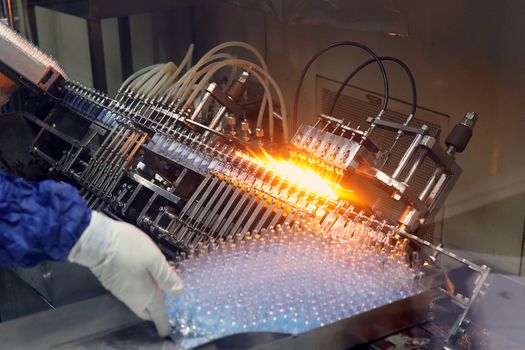
This sector represents a critical node in Central European healthcare supply chains, offering procurement teams access to GMP-certified production facilities that balance cost-efficiency with strict European regulatory compliance. Understanding the landscape is essential for sourcing reliable active pharmaceutical ingredients and finished dosage forms.
Market Overview and Economic Impact
Romania has evolved from a net importer of medicines to a significant exporter within the European Union, leveraging a skilled workforce and modernized infrastructure. The industry contributes substantially to the national GDP, with pharmaceutical manufacturing accounting for a notable share of total industrial output.
Revenue and Growth Trends
Recent years have seen steady growth in domestic production, supported by both local demand and foreign direct investment. Major multinational corporations have established manufacturing sites in Romania, attracted by favorable labor costs and strategic geographic location. This influx of capital has modernized production lines, enabling compliance with the latest Good Manufacturing Practice standards.
The export market has expanded significantly, with Germany, Italy, and France among the top destinations for Romanian pharmaceutical products. This outward orientation reduces reliance on the domestic market, which is heavily influenced by public reimbursement policies and price caps set by the National Agency for Medicines and Medical Devices.
Employment and Workforce
The sector employs tens of thousands of specialists, including pharmacists, chemists, and quality control experts. The high skill level of the workforce is a key competitive advantage, allowing companies to maintain rigorous quality standards while keeping operational costs lower than in Western Europe. Continuous training and certification programs ensure that personnel remain up-to-date with evolving regulatory requirements.
Key Regulatory Requirements and Certifications
Compliance with European Union regulations is mandatory for all pharmaceutical activities in Romania. The primary regulatory body is the National Agency for Medicines and Medical Devices (ANMDMR), which oversees the authorization, inspection, and monitoring of pharmaceutical products and companies.
Good Manufacturing Practice (GMP)
All manufacturing sites must hold a GMP certificate issued by ANMDMR or recognized by the European Medicines Agency. This certification confirms that facilities adhere to strict standards for hygiene, documentation, quality control, and production processes. Regular inspections are conducted to ensure ongoing compliance, and any deviations can result in suspension of operations or withdrawal of licenses.
GMP certification is not static; it requires continuous adherence to quality management systems. Companies must maintain detailed records of every production batch, from raw material sourcing to final product release. This traceability is crucial for recall management and ensuring patient safety.
Good Distribution Practice (GDP)
Distributors and wholesalers must comply with GDP standards, which focus on the storage, transportation, and handling of medicines. These regulations ensure that products are kept within specified temperature ranges and protected from contamination or theft throughout the supply chain. GDP certification is essential for any entity involved in the logistics of pharmaceutical products.
Temperature-controlled logistics are particularly critical for biopharmaceuticals and vaccines. Romanian companies have invested heavily in cold chain infrastructure to meet these demands, enabling them to serve international markets with high-value, temperature-sensitive products.
Major Players and Market Structure
The Romanian pharmaceutical market is characterized by a mix of large multinational corporations and domestic manufacturers. This diverse landscape fosters competition and innovation, while also ensuring a wide range of products are available to meet local and export demands.
Market Concentration and Key Companies
Several major players dominate the market, including multinational giants such as Pfizer, Sanofi, and GSK, which have established significant manufacturing and distribution operations in Romania. These companies bring global expertise and resources, contributing to the overall quality and efficiency of the sector.
Domestic companies also play a vital role, with firms like Farmachem, Biogal, and Rompharm holding substantial market shares. These companies often specialize in generic medicines and active pharmaceutical ingredients, providing cost-effective alternatives to branded products. Their agility and local knowledge allow them to respond quickly to market changes and regulatory updates.
Regional Distribution
Pharmaceutical manufacturing is concentrated in several key regions, including Bucharest, Cluj-Napoca, and Timișoara. These cities offer access to skilled labor, research institutions, and transportation networks, making them ideal locations for production facilities. The clustering of companies in these areas fosters collaboration and knowledge sharing, further enhancing the sector's competitiveness.
Supply Chain Dynamics and Sourcing Patterns
The Romanian pharmaceutical supply chain is integrated into broader European networks, with raw materials and active pharmaceutical ingredients often sourced from Asia and Eastern Europe. Finished products are then distributed domestically and exported to other EU countries.
Sourcing and Logistics
Companies face challenges in securing reliable supplies of active pharmaceutical ingredients, particularly for complex molecules. Diversification of suppliers and strategic stockpiling are common strategies to mitigate supply risks. Logistics providers must ensure compliance with GDP standards, utilizing advanced tracking systems to monitor product conditions in real-time.
Nearshoring trends are gaining momentum, with some companies shifting production closer to end markets to reduce lead times and transportation costs. Romania's central location in Europe makes it an attractive hub for nearshoring, allowing companies to serve both domestic and international customers efficiently.
Data Sources for Verification
Procurement professionals and researchers can verify company certifications and regulatory status through official registers and industry associations. These sources provide transparent and up-to-date information on the compliance status of pharmaceutical entities.
Official Registers and Industry Associations
The National Agency for Medicines and Medical Devices (ANMDMR) maintains a public register of authorized pharmaceutical companies and products. This register includes details on GMP and GDP certifications, allowing stakeholders to verify the compliance status of potential suppliers. ANMDMR Official Website
Industry associations such as the Romanian Pharmaceutical Industry Association (ASIFARM) provide valuable insights into market trends, regulatory changes, and best practices. These organizations also facilitate dialogue between industry players and regulators, helping to shape policies that support sector growth. ASIFARM Official Website
For broader market data, the National Institute of Statistics (INS) publishes annual reports on industrial production, employment, and trade in the pharmaceutical sector. These reports offer a macroeconomic perspective on the industry's performance and contribution to the national economy. National Institute of Statistics
Risks and Compliance Challenges
While the Romanian pharmaceutical sector offers significant opportunities, it also faces several risks and compliance challenges. Regulatory changes, supply chain disruptions, and market volatility can impact business operations and profitability.
Regulatory and Operational Risks
Changes in EU regulations can require significant investments in infrastructure and processes to maintain compliance. Companies must stay informed about regulatory updates and adapt quickly to avoid penalties or operational disruptions. Additionally, the complexity of global supply chains increases the risk of delays and shortages, particularly for critical raw materials.
Operational risks include quality control failures, which can lead to product recalls and reputational damage. Robust quality management systems and regular audits are essential to mitigate these risks. Companies must also invest in cybersecurity to protect sensitive data and intellectual property from digital threats.
Market Risks
Price pressures from public reimbursement policies can squeeze profit margins, particularly for generic medicines. Companies must balance cost-efficiency with quality to remain competitive in a price-sensitive market. Exchange rate fluctuations can also impact export revenues, requiring careful financial management and hedging strategies.
Why This Matters for Trade and Procurement
For international buyers, the Romanian pharmaceutical sector offers a compelling value proposition. The combination of GMP-certified production, skilled labor, and strategic location makes Romania an attractive sourcing destination for high-quality, cost-effective pharmaceutical products.
Procurement teams should prioritize suppliers with strong regulatory compliance records and robust quality management systems. Verifying certifications through official registers and conducting regular audits can help mitigate risks and ensure supply chain reliability. Building long-term partnerships with Romanian manufacturers can provide stability and access to innovative products, supporting sustainable growth in global healthcare markets.
As the sector continues to evolve, staying informed about regulatory changes, market trends, and technological advancements will be crucial for success. Engaging with industry associations and leveraging data from official sources can provide valuable insights for strategic decision-making and risk management.