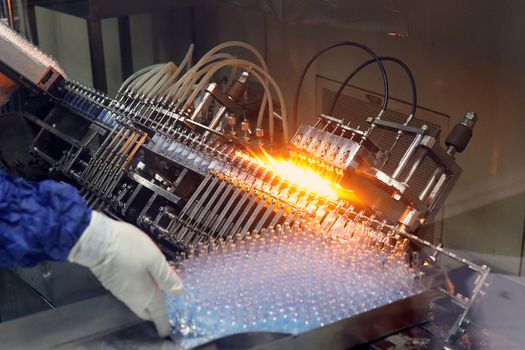
Romanian Pharmaceutical Sector: Key Players and Certifications
The Romanian pharmaceutical market generated approximately 2.5 billion euros in revenue in 2023, driven by a steady increase in domestic production and generic drug exports.
This sector represents a critical node in Central and Eastern Europe’s healthcare supply chain. For international buyers, understanding the landscape of Good Manufacturing Practice (GMP) certified facilities is essential for securing reliable, compliant sources of active pharmaceutical ingredients and finished dosage forms.
Market Overview and Size
Romania has transitioned from a net importer of medicines to a balanced market with significant export potential. The industry benefits from a skilled workforce and competitive operational costs compared to Western European counterparts.
Revenue and Growth Trends
Domestic consumption remains the primary driver of revenue, supported by a robust public reimbursement system. However, export volumes have grown consistently, particularly for generic medications and over-the-counter products destined for EU and non-EU markets.
According to industry reports, the sector contributes significantly to the national industrial output. The growth is not solely volume-based but also value-based, as local manufacturers increasingly produce complex generics and biosimilars.
Employment and Workforce
The pharmaceutical industry employs thousands of specialists, including pharmacists, chemical engineers, and quality assurance experts. This high concentration of technical talent supports the sector’s ability to maintain rigorous quality standards required for international trade.
Training programs in collaboration with local universities ensure a steady pipeline of qualified personnel. This human capital advantage is a key factor for multinational companies establishing production sites in the region.
Key Regulatory Requirements
Compliance with European Union regulations is mandatory for all pharmaceutical activities in Romania. The National Institute of Public Health (INSP) serves as the primary regulatory authority, overseeing the authorization and supervision of medicinal products.
Good Manufacturing Practice (GMP)
GMP certification is the cornerstone of pharmaceutical manufacturing in Romania. Facilities must adhere to EU GMP guidelines, which cover every aspect of production, from raw material sourcing to final product release. Inspections are conducted regularly by INSP and notified bodies from other EU member states.
Obtaining and maintaining GMP certification requires significant investment in infrastructure, documentation, and staff training. For buyers, verifying a supplier’s current GMP status is the first step in due diligence.
Good Distribution Practice (GDP)
Distributors and wholesalers must comply with GDP standards to ensure the integrity of medicines during storage and transport. This includes maintaining controlled temperature conditions and implementing robust traceability systems. GDP certification is critical for companies involved in the logistics of pharmaceutical products.
Non-compliance with GDP can lead to product recalls and loss of license. Therefore, international partners must ensure their Romanian logistics partners hold valid GDP certificates.
Major Players and Market Structure
The Romanian pharmaceutical market is characterized by a mix of large multinational corporations and established local manufacturers. This structure creates a competitive environment that drives innovation and efficiency.
Market Concentration
A few large entities dominate the market in terms of revenue and production capacity. These companies often have extensive distribution networks and strong relationships with healthcare providers. However, numerous smaller specialized manufacturers also play a vital role, particularly in niche therapeutic areas.
The market is fragmented in terms of product portfolios, with many companies focusing on specific therapeutic classes such as cardiovascular, anti-inflammatory, or dermatological products.
Key Companies and Regional Distribution
Major production sites are located in key industrial hubs such as Bucharest, Cluj-Napoca, and Ploiești. These regions offer access to skilled labor and efficient logistics infrastructure. Companies like Biogal, Farmachem, and Sofic are prominent examples of local manufacturers with significant export activities.
Multinational companies such as Pfizer, Sanofi, and GSK also operate production facilities in Romania. These sites often serve as regional hubs for the entire EU market, leveraging Romania’s strategic location and cost advantages.
Verification of Key Players
Buyers can verify the status of these companies through the National Institute of Public Health (INSP) website. The INSP maintains a public register of authorized manufacturers and distributors.
Supply Chain Dynamics
The pharmaceutical supply chain in Romania is integrated with broader European networks. Raw materials and active pharmaceutical ingredients (APIs) are often sourced from global suppliers, while finished products are distributed regionally.
Sourcing Patterns
Local manufacturers rely on a diverse range of suppliers for APIs and excipients. This diversification helps mitigate risks associated with supply disruptions. However, dependence on non-EU sources for certain critical materials remains a challenge.
Nearshoring trends are influencing sourcing decisions, with some companies seeking to bring production closer to end markets. Romania’s position within the EU makes it an attractive location for such strategies.
Logistics and Distribution
Efficient logistics are crucial for maintaining product quality. Cold chain management is particularly important for biologics and vaccines. Romanian logistics providers have invested in advanced temperature-controlled storage and transportation solutions.
Customs procedures for pharmaceutical exports are streamlined within the EU, facilitating cross-border trade. For non-EU exports, compliance with additional regulatory requirements is necessary.
Data Sources for Verification
Accurate data is essential for making informed procurement decisions. Several official sources provide reliable information on the Romanian pharmaceutical sector.
Official Registers
The INSP website offers detailed information on authorized medicinal products and manufacturing sites. Buyers should regularly check these registers to ensure their suppliers remain in compliance.
The National Agency for Medicines and Medical Devices (ANMDM) also provides valuable resources, including information on clinical trials and pharmacovigilance.
Industry Associations
The Romanian Association of Pharmaceutical Companies (ASROM) represents the interests of local manufacturers. ASROM publishes reports and statistics on the industry, offering insights into market trends and challenges.
Engaging with industry associations can provide buyers with a deeper understanding of the local business environment and regulatory landscape.
Risks and Compliance Challenges
While the Romanian pharmaceutical sector offers significant opportunities, it also presents certain risks. Buyers must be aware of these challenges to mitigate potential issues.
Regulatory Risks
Changes in EU regulations can impact manufacturing and distribution processes. Companies must stay updated on regulatory developments to ensure continued compliance. Non-compliance can result in fines, product recalls, or loss of license.
Regulatory inspections are rigorous and frequent. Suppliers must maintain high standards of quality and documentation to pass these inspections.
Operational Risks
Supply chain disruptions, such as raw material shortages or logistics delays, can affect production schedules. Buyers should work with suppliers who have robust risk management plans in place.
Quality issues, although rare, can have severe consequences. Regular audits and quality checks are essential to ensure product integrity.
Why This Matters for Trade and Procurement
For international buyers, the Romanian pharmaceutical sector offers a reliable source of high-quality, cost-effective medicines. Understanding the key players, regulatory requirements, and supply chain dynamics is crucial for successful procurement.
Buyers should prioritize suppliers with valid GMP and GDP certifications. Verifying these certifications through official sources like INSP is a critical step in due diligence.
Engaging with local industry associations and leveraging data from official registers can provide valuable insights. This approach helps buyers navigate the complexities of the Romanian market and build strong, compliant supply chains.
As the sector continues to grow and evolve, staying informed about market trends and regulatory changes will be essential for long-term success. Buyers who proactively manage risks and build strong relationships with local partners will be well-positioned to capitalize on the opportunities in the Romanian pharmaceutical market.